

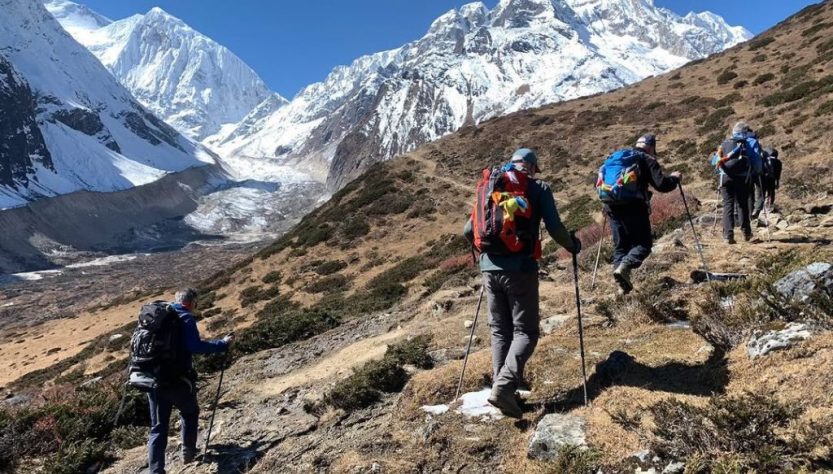
You will be challenged physically and mentally walking along the Everest Base Camp Trek, but the single most significant factor in how successful you are on the trek is what you do to feed your body and hydrate it. What you ingest, and what u drink, are directly proportional to your energy and how your body can adapt to stress, if any. This guide provides a full course on how to eat and stay healthy on your high-altitude hike, from what smart meals to eat to how to make sure the water you drink is safe.
High Carbohydrate Loaded Trekker’s Diet / Energy Diet for Trekkers & Explorers.”
There are long days spent hiking up and over mountain trails, and the thin air at higher elevations demands constant energy intake. I’d also advise eating a huge amount of carbs, as carbs are perhaps the most easily “burned” by the body in low-oxygen conditions. Dal bhat – The Staple Diet of Everest Base Camp Trek The staple diet in the Snow of the Everest Base Camp Trek is the Nepali traditional cuisine, known as dal bhat. And for good reasons, it’s actually pretty healthy, and best of all, many of the Tibetan teahouse owners provide free refills, so it makes it one damn good value for the money on your Everest Base Camp trek. With dal bhat go other heavy options, namely fried rice, pasta, potatoes – amazing,g simp, le double solid carbs.
The Golden Rule of Food Safety: Be Vegetarian
While the menu may vary widely — pizza or burgers or whatnot — the most crucial rule is to tread lightly, particularly with meat. Any meat that’s served in teahouses is not kept in the refrigerator. It’s flown in from Kathmandu to Lukla and then transported up the mountain on the back of porters, so being a few days old and stored dodgily is not outside the realms of impossibility. Vegetarian food, for the most part, is your safest bet to not get food sick. The vegetarian options may seem fresher and less disruptive to the digestive system. Even soups, garlic soup in particular, are good; garlic helps in acclimatisation.
Hydration is Non-Negotiable
In short, having plenty to Intake is likely do to more than anything else to ensure good health during the Everest Base Camp. Lack of water, A dryness of the cold air, and the possible diuretic action of the physical effort of a trip can accelerate dehydration, itself an aggravating factor of the negative symptoms of altitude sickness. Try to drink a minimum of 3-4 liters of water a day. You can get bottled water (though it is not only costly, but also contributes to a large part of the Khumbu’s plastic waste problem). Purifying your own water is way cheaper and better for the environment. Most of the trekkers are doing a combination of teahouse boiled water, tablets, and or portable water purification.
Water Purification Options and Their Safety and Sustainability
Here are several smart tactics for ensuring your water doesn’t make you sick. The simple act of purchasing boiled water from teahouses, which are always willing to give it to you for a small coin. And it’s an old, reliable way to kill most pathogens. Otherwise, an easier and cheaper option is to carry your water purification tablets or filter. Tablets tend to be light; they are effective against bacteria and viruses, but there’s an aftertaste. There are plenty of brands (Sawyer or LifeStraw, for example) and models offered that are a relatively sound investment, as they actually remove bacteria and protozoa, giving you clean water as you hike.
No Drinking alcohol or caffeine if you are on an Altitude
At the same time as an evening beer birthday celebration would possibly sound appealing, alcohol and heaps of caffeine are high-quality prevented while on the trek, especially at higher elevations. So can alcohol and caffeine, each a diuretic, or substances that speed the fee at which the body excretes water, that may worsen signs and symptoms of altitude contamination by making the body shed water. Choose hot ginger or lemon tea, which is hydrating, soothing, and can assist digestion. The cost of EBC Trek would be even less without alcohol,o and it is getting expensive as you go up!
Snacks: Your Secret Hiking Weapon
Besides the three meals also snacks are also an important part of your daily food. They are a brief increase of energy and can help preserve your blood sugar steady for the duration of the day, even. Pack masses of calorie-dense dry snacks, like energy bars, trail blend, nuts, dried fruit, and chocolate. Those are proper shelf-solid packets so that they will fit in your daypack, and there’s nothing wrong with them in case you’re simply looking for a small boost at some stage in a protracted climb. You can buy some snacks along the trail, but they tend to be more expensive at higher elevations.
Maintaining Hygiene: The Best Defense
Good personal hygiene is your first and best defense against illness on the trek. While in some high-altitude spots you won’t be able to take a proper shower because of how cold it can get, it’s good to have hand sanitizer and wet wipes on you. Hand sanitizer is to be used before and after all meals and following restroom breaks. If you add this simple habit, you’ll be much, much less likely to come down with a stomach bug or anything else. And make it all biodegradable wipes so you’re not destroying the trail.
If you’re a regular human and not an asshat on the trail. One Last Thing About Eco-Friendly Hiking. There’s a study from Applied Energy, released in 201,7, that goes deeper on the amount of energy and CO2 hikers consume.
Safety and satisfaction are the priorities on the EBC Trek. There’s a variety of things you can do to sidestep common afflictions, which may scupper a great trekking trip by making good choices about the foods and liquids you consume to keep yourself well-hydrated and feeling fresh. It is an awesome journey, and with your eyes on those features, you will be gazing upon all the beauty and hard-earned achievement that is about to unfold on one of the best mountains on earth!!!!
