

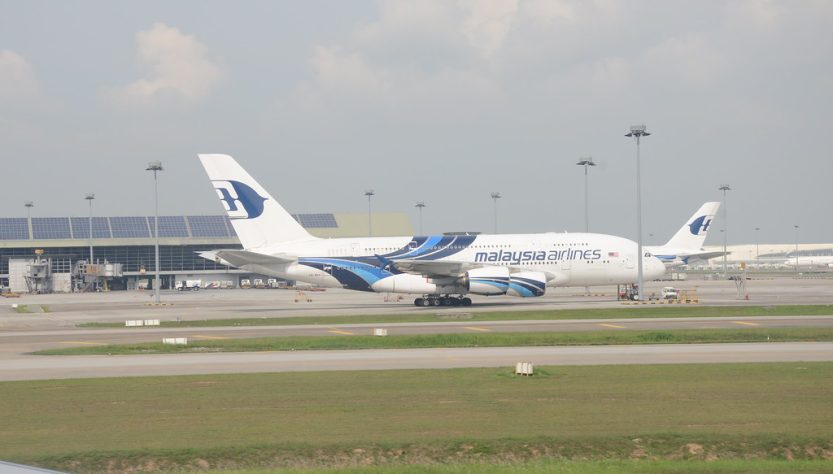
aircraft financial leasing is at the forefront of Malta’s new legislative changes. The recent introduction of a bill in Parliament aims to modernize the framework surrounding aircraft leasing, promising significant benefits for the industry.
Overview of Malta’s Aircraft Financial Leasing Reform
Malta has recently introduced a significant bill aimed at advancing its aircraft financial leasing sector, signaling a strategic move to enhance its position in the aviation industry. This reform seeks to create a more attractive environment for international investors and operators by streamlining existing regulations and introducing competitive tax incentives.
The proposed legislation includes various measures designed to facilitate the leasing process, which is crucial for the growth of the aviation market. Key aspects of the reform include:
- Tax Incentives: Reducing the tax burden on leasing companies to promote investment.
- Regulatory Streamlining: Simplifying the administrative procedures involved in aircraft leasing.
- Enhanced Legal Framework: Establishing a robust legal environment to protect investors’ rights.
- International Collaboration: Encouraging partnerships with global leasing firms to foster growth.
As Malta moves forward with this initiative, stakeholders are optimistic that these reforms will position the nation as a premier hub for aircraft financial leasing, attracting more aircraft owners and operators to its shores.
Key Features of the New Bill
The new bill introduced in the Maltese Parliament aims to enhance the aircraft financial leasing sector, providing several key features that could attract more investors and operators to Malta.
- Tax Incentives: The bill proposes significant tax reductions for aircraft financial leasing companies, making Malta a competitive hub for aircraft registration and leasing.
- Streamlined Regulations: To simplify the leasing process, the legislation introduces streamlined regulations that will reduce bureaucracy and expedite approvals.
- Legal Framework: A robust legal framework is established to protect the rights of lessors, ensuring better security for financial investments in aircraft.
- International Standards: The bill aligns Malta’s leasing practices with international standards, facilitating cross-border leasing and attracting foreign companies.
- Training and Development: Provision for training programs is included, aimed at enhancing local expertise in aircraft financial leasing and related services.
These features collectively position Malta as an emerging leader in the aircraft financial leasing industry, potentially transforming its aviation landscape.
Impact on the Aviation Industry
The introduction of the aircraft financial leasing reform in Malta is set to have significant implications for the aviation industry. By streamlining the leasing process, the new bill aims to attract more aircraft operators and lessors to the region. This influx could bolster Malta’s position as a key player in the global aviation market.
One of the primary impacts of the reform is the potential for increased foreign direct investment. As more companies look to establish a presence in Malta, the local economy could benefit from job creation and enhanced financial services. Additionally, the reform is expected to simplify tax regulations, making it more appealing for lessors to operate in Malta.
Moreover, the aircraft financial leasing model allows airlines to access modern fleets without the substantial upfront costs of purchasing aircraft. This accessibility can enable smaller airlines to expand their operations, leading to greater competition within the industry.
Furthermore, the improved regulatory environment may enhance Malta’s reputation as a favorable destination for aircraft leasing, encouraging international partnerships and collaborations.
- Increased foreign direct investment
- Job creation in the local economy
- Greater competition among airlines
Comparative Analysis with Other Countries
When evaluating Malta’s approach to aircraft financial leasing, it is essential to consider how the country compares to other nations that have implemented similar reforms. Several jurisdictions have successfully leveraged financial leasing to boost their aviation sectors.
Countries like Ireland and Luxembourg have established themselves as leading players in the aircraft leasing market by offering tax incentives and streamlined regulatory frameworks. These nations have seen substantial growth in their aviation industries, attracting numerous international airlines and leasing companies.
Key factors contributing to their success include:
- Tax Benefits: Competitive tax rates and exemptions on lease payments.
- Regulatory Efficiency: Simplified processes for registration and leasing of aircraft.
- Strong Legal Framework: Robust laws that protect the interests of lessors and lessees.
By analyzing the experiences of these countries, Malta can refine its aircraft financial leasing strategy, ensuring that it not only meets international standards but also effectively attracts global investment in its aviation sector.
Expert Opinions on the Reform
As Malta progresses with its aircraft financial leasing reform, industry experts weigh in on the potential benefits and challenges of the new bill. Many believe that this reform could significantly enhance the country’s position as a hub for aviation and leasing activities in Europe.
- Dr. Maria Vella, a leading aviation consultant, states, “The introduction of favorable tax structures will attract more international investors and lessors to Malta, boosting the local economy.”
- John Cummings, an aviation finance expert, emphasizes the competitive edge, noting that “Malta’s strategic location and regulatory framework make it an appealing destination for aircraft financial leasing.”
- However, Linda Zhao, a legal advisor in the aviation sector, raises concerns, stating, “The success of the reform hinges on the government’s ability to implement the new regulations effectively and ensure compliance.”
Overall, while there is optimism regarding Malta’s aircraft financial leasing reform, the necessity for careful execution and ongoing dialogue among stakeholders remains crucial for its success.
Future of Aircraft Leasing in Malta
The future of aircraft financial leasing in Malta appears promising, with the recent reforms set to enhance the country’s position as a competitive player in the aviation sector. Stakeholders believe that these changes will not only attract more international investors but also stimulate local businesses involved in aircraft management and leasing.
The new legislation aims to streamline the leasing process, making it more efficient and appealing to potential lessees. With the implementation of favorable tax incentives and clearer regulatory frameworks, Malta is positioning itself as a hub for aircraft financial leasing in Europe.
Furthermore, the Maltese government’s commitment to fostering an environment conducive to aviation growth reflects its understanding of the industry’s potential. As countries like Malta continue to adapt and innovate, the landscape of aircraft leasing is expected to evolve significantly.
Industry experts note that Malta’s strategic location and robust legal framework can serve as a model for other nations looking to enhance their leasing capabilities. In this context, the success of aircraft financial leasing in Malta could pave the way for further reforms and growth within the aviation industry.
Conclusion: What This Means for Stakeholders
In conclusion, the recent advancements in aircraft financial leasing in Malta present significant implications for various stakeholders. As the new bill progresses through Parliament, it is essential for lessors, operators, and regulatory bodies to understand how these reforms can reshape the aviation landscape. The introduction of favorable tax incentives and streamlined processes is likely to attract foreign investment and enhance Malta’s position as a leading aviation hub.
For lessors, the improved regulatory framework means greater transparency and enhanced security in transactions, which could lead to an increase in aircraft registrations. Operators may benefit from reduced leasing costs, allowing for more competitive pricing and expanded fleet options. Furthermore, regulatory authorities will need to ensure that these reforms are implemented effectively to maintain high safety and operational standards.
Ultimately, the success of the aircraft financial leasing reform relies on collaboration among all parties involved. By fostering a cooperative environment, Malta can maximize the potential benefits of this initiative, ensuring that it not only strengthens the local economy but also positions the nation as a key player in the global aviation sector.
By Jorge Lascar via Openverse
