

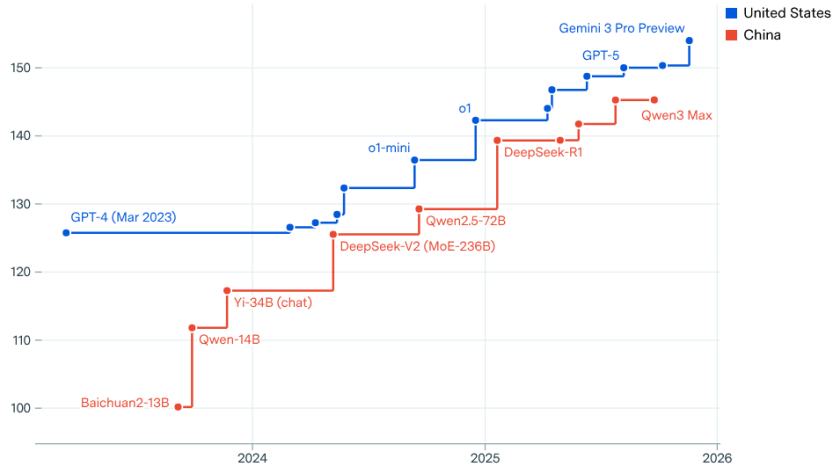
Chinese AI models are at the center of a heated debate as lawmakers contemplate phasing them out. This decision could reshape the landscape of artificial intelligence.
Overview of Current AI Regulations
As the landscape of artificial intelligence continues to evolve, lawmakers are faced with the complex task of regulating emerging technologies. Currently, several nations, including the United States, are examining frameworks to govern AI development and deployment, with a particular emphasis on risks associated with Chinese AI models.
Regulatory bodies are focusing on the following key areas:
- Data Privacy: Ensuring that AI systems respect user privacy and comply with data protection laws is paramount.
- Transparency: Requiring AI developers to disclose the algorithms and datasets used in training models, particularly those from foreign sources.
- Bias and Fairness: Addressing biases in AI systems to prevent discrimination and ensure equitable outcomes for all users.
- National Security: Evaluating the implications of deploying foreign AI models, especially those deemed a risk to national security, can lead to calls for increased scrutiny.
As lawmakers consider phasing out Chinese AI models, they must weigh the potential benefits of innovation against the need for stringent oversight. This balancing act is crucial as the implications of these regulations could shape the future of technology and international relations.
Impact of Phasing Out Chinese AI Models
The decision to phase out Chinese AI models has stirred significant debate among lawmakers and industry experts. Advocates argue that this move could enhance national security and protect intellectual property. However, the implications of such a decision may be far-reaching.
One major concern is the potential impact on innovation and competition. By limiting access to advanced Chinese AI models, the market could experience:
- Reduced diversity in AI solutions, which may stifle creativity and technical advancements.
- Increased costs for businesses that rely on these models for their operations, as they may have to turn to more expensive alternatives.
- Slower technological progress, as collaboration between U.S. and Chinese firms has historically led to breakthroughs in various fields.
Moreover, phasing out Chinese AI models could lead to a fragmented global AI landscape, making it difficult for U.S. companies to compete internationally. As other countries continue to develop their AI capabilities, the absence of robust Chinese contributions may hinder the overall growth of the sector.
In summary, while there are valid concerns regarding Chinese AI models, the consequences of their removal warrant careful consideration to avoid unintended setbacks in innovation and global competitiveness.
Key Reasons Behind Lawmakers’ Concerns
Lawmakers have expressed several concerns regarding the integration of Chinese AI models into various sectors. These concerns stem from potential risks associated with data privacy, national security, and economic competitiveness.
- Data Privacy: The use of Chinese AI models raises alarms about how user data is handled. There are fears that sensitive information could be accessed or misused by foreign entities.
- National Security: Lawmakers worry that reliance on Chinese AI models could lead to vulnerabilities in critical infrastructure. The potential for espionage or cyber attacks is a significant factor in their assessment.
- Economic Competitiveness: By phasing out Chinese AI models, lawmakers believe they can encourage the development of domestic alternatives. This could bolster local innovation and create jobs within the tech sector.
- Ethical Concerns: There are worries that AI models developed in different regulatory environments may not adhere to ethical standards expected in their own jurisdiction, potentially impacting how AI is used in society.
In light of these issues, lawmakers are weighing the implications of continuing to use these technologies against the backdrop of global AI advancements and competition.
Responses from AI Industry Leaders
In response to the potential phasing out of Chinese AI models, industry leaders have voiced their concerns regarding the implications for innovation and competition. Li Wei, CEO of a leading AI startup, emphasized the importance of diversity in AI development, stating, “Limiting access to Chinese AI models could stifle creativity and collaborative progress across the sector.”
Many experts argue that fostering a competitive landscape is crucial for technological advancement. Jane Zhang, a prominent data scientist, pointed out that Chinese AI models have played a significant role in pushing boundaries and enhancing global AI capabilities. “Dismissing these models could result in a significant setback in our understanding and application of AI technology,” she noted.
Furthermore, Mark Thompson, an influential venture capitalist, warned that the decision might lead to unintended consequences. “If lawmakers proceed with this plan, it could drive innovation underground and create a fragmented market that hinders collaboration,” he remarked.
In light of these responses, many industry leaders are calling for a more balanced approach that addresses security concerns while maintaining an open environment for growth and innovation in the AI landscape.
Future of AI Development in the U.S.
The future of AI development in the U.S. is increasingly intertwined with the debate surrounding Chinese AI models. As lawmakers consider phasing out these technologies, several implications arise that could shape the landscape of artificial intelligence in America.
One significant concern is the potential impact on innovation. U.S. tech companies rely on a diverse ecosystem of AI models, including those developed in China. By restricting access to Chinese AI models, lawmakers risk stifling creativity and limiting the growth of homegrown solutions.
Moreover, the decision to phase out these models could lead to unintended consequences, such as:
- Increased costs for companies that need to create alternative models from scratch.
- Loss of competitive advantage in a global market that thrives on collaboration and shared technology.
- Potential slowdown in research and development as resources are redirected to compliance and regulatory issues.
While concerns about security and ethics are valid, it is crucial for lawmakers to balance these issues with the need for a robust AI ecosystem. Fostering innovation while addressing risks may be the key to ensuring that the U.S. remains a leader in AI development.
Public Opinion on Chinese AI Models
As discussions surrounding the future of Chinese AI models intensify, public opinion appears to be divided. Many citizens express concern over the potential risks associated with these technologies, while others advocate for their benefits in fostering innovation and competition.
Supporters of Chinese AI models argue that:
- Global Competitiveness: Maintaining access to advanced AI technologies, including those from China, is crucial for keeping the U.S. at the forefront of technological advancement.
- Economic Growth: Collaboration and integration of diverse AI systems can drive economic growth and create jobs within various sectors.
- Technological Exchange: Engaging with international AI models can lead to breakthroughs that benefit society as a whole.
On the other hand, critics warn that:
- National Security Risks: The integration of Chinese AI models may jeopardize sensitive data and compromise national security.
- Ethical Concerns: There are fears that these models may propagate biases or unethical practices.
As lawmakers grapple with these contrasting viewpoints, public sentiment will play a significant role in shaping the future regulatory landscape for Chinese AI models.
By Luke Emberson via Openverse
