

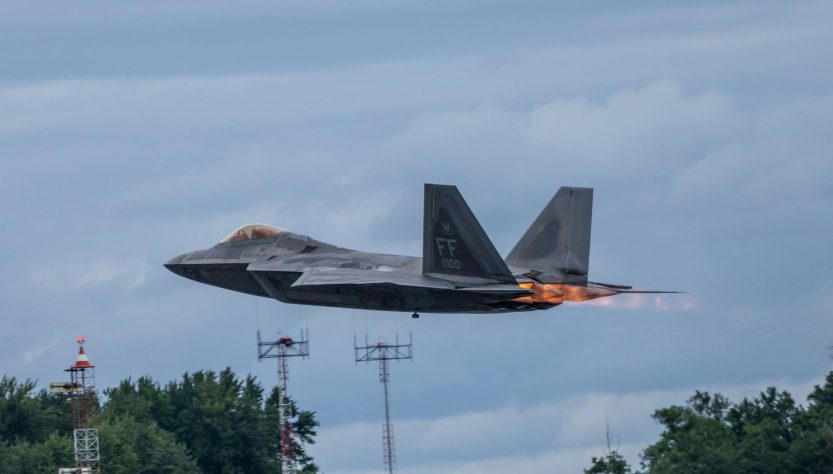
Boeing Lockheed rocket failure has led to the unfortunate loss of 40 Amazon satellites. This incident highlights significant challenges in the aerospace sector.
Overview of the Rocket Failure
The recent rocket failure involving Boeing and Lockheed has resulted in the catastrophic loss of 40 satellites intended for Amazon’s satellite internet constellation. This incident marks one of the most significant setbacks in the aerospace industry, raising concerns about the reliability of partnerships in space exploration.
On the day of the launch, the rocket, which was designed to deliver a payload of advanced technology satellites into orbit, experienced a critical malfunction shortly after liftoff. Observers noted that the rocket deviated from its intended trajectory, leading to a swift decision to abort the mission. Unfortunately, the response came too late to save the valuable cargo.
The fallout from this Boeing Lockheed rocket failure has far-reaching implications not only for Amazon but also for the entire satellite launch industry. The loss of 40 satellites hinders progress toward expanding broadband access in underserved regions, a key component of Amazon’s ambitious plans.
Industry experts are now calling for a thorough investigation into the causes of the failure. They stress the importance of ensuring that such incidents do not occur in the future, as confidence in large-scale rocket launches is essential for continued growth in satellite technology.
As companies look to the future of space exploration, the Boeing Lockheed rocket failure serves as a stark reminder of the risks involved in this challenging field.
Impact on Amazon Satellites
The recent Boeing Lockheed rocket failure has sent shockwaves through the tech industry, particularly impacting Amazon’s satellite ambitions. The loss of 40 satellites represents a significant setback for the company, which had invested heavily in its Project Kuiper initiative aimed at providing global internet coverage.
Amazon’s plans hinged on the timely deployment of these satellites, which were intended to bridge the digital divide in underserved areas. With the failure of the rocket, the timeline for launching the remaining satellites is now uncertain, leading to concerns about reaching their target of deploying more than 3,000 satellites in orbit.
Industry analysts are expressing worries that this setback could delay Amazon’s competitive edge in the satellite internet market, which includes rivals such as SpaceX. The financial implications are also noteworthy, as the company had budgeted substantial resources for this launch, making the loss particularly impactful.
Moreover, the failure raises questions about the reliability of the partnership between Boeing and Lockheed, which has been a cornerstone of aerospace innovations for decades. Observers are now calling for a thorough investigation into the incident to ensure that future launches do not face similar challenges.
In conclusion, the Boeing Lockheed rocket failure is a critical event that not only affects Amazon’s satellite project but also sets a precedent for future aerospace collaborations.
Reactions from the Aerospace Community
The recent Boeing Lockheed rocket failure has sent shockwaves through the aerospace community, leading to a mix of disbelief and concern among industry experts and stakeholders.
Many prominent figures in the field have voiced their reactions:
- Dr. Jane Thompson, a leading aerospace engineer, stated, “This incident underscores the inherent risks associated with space launches, especially when they involve large payloads like the 40 Amazon satellites.”
- Mark Robinson, a former NASA administrator, emphasized the need for rigorous testing and safety protocols, saying, “We must learn from this Boeing Lockheed rocket failure to prevent future catastrophes.”
- Anne Marie Johnson, an analyst at SpaceTech Insights, commented on the financial implications, noting, “The loss of these satellites not only impacts Amazon but also raises concerns about the overall stability of commercial satellite launches.”
Moreover, social media platforms have been abuzz with reactions, as industry professionals share their thoughts on the repercussions of this setback.
Some have called for increased collaboration between companies to improve safety measures, while others have urged for a reassessment of the current regulatory framework governing space launches.
As the aerospace community processes this significant loss, the focus will likely shift toward ensuring future missions are more reliable and secure.
Future of Space Launches
The recent Boeing Lockheed rocket failure has raised significant concerns about the future of space launches, particularly for companies relying on satellite deployments. As the aerospace industry grapples with the fallout from this incident, stakeholders are re-evaluating their strategies and risk management practices.
One of the immediate effects of the failure is a shift in public perception regarding the reliability of commercial space launch providers. Many industry experts believe that this incident could lead to increased scrutiny of launch vehicles and their manufacturers. As competition intensifies, companies may be compelled to invest more in research and development to enhance the safety and reliability of their rockets.
In addition to heightened scrutiny, the Boeing Lockheed rocket failure could result in regulatory changes. Government agencies may impose stricter standards and requirements for rocket design and testing processes to prevent similar occurrences in the future. This could potentially increase costs and timelines for future launches.
Moreover, the industry may witness a shift towards more collaborative efforts among aerospace companies. By sharing information and resources, companies can work together to address technical challenges and improve overall launch success rates. As the market adapts to these changes, innovative solutions and technologies may emerge, ultimately shaping the next generation of space exploration.
In conclusion, while the Boeing Lockheed rocket failure represents a setback, it also offers an opportunity for growth and improvement within the aerospace sector.
Photo by Eric Feng on Pexels
