

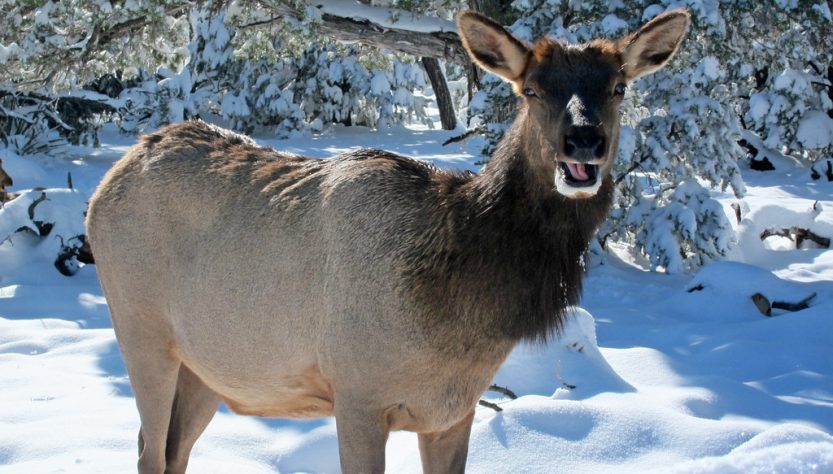
autumn wildlife observations offer a glimpse into the changing behaviors of animals as the season shifts. From deer to golden jackals, this week highlights fascinating encounters in nature.
Understanding Deer Behavior in Autumn
As autumn settles in, observing deer becomes a captivating experience for wildlife enthusiasts. Understanding deer behavior during this season is crucial for effective wildlife observations. During autumn, deer are often more active, especially during dawn and dusk, making these times ideal for spotting them.
Several factors influence deer behavior in this season:
- Breeding Season: The rut, or mating season, typically peaks in late autumn, leading to increased activity as bucks search for does.
- Food Sources: As vegetation changes, deer will seek out acorns and other food sources, often moving to different areas than in summer.
- Weather Patterns: Cooler temperatures prompt deer to be more active, making them easier to spot during wildlife observations.
By understanding these behaviors, naturalists can enhance their chances of witnessing these beautiful creatures in their autumn habitat. Embrace the season and take advantage of these tips for successful autumn wildlife observations.
The Role of Jackals in Ecosystems
Jackals play a crucial role in maintaining the balance of their ecosystems, particularly during the autumn months when wildlife observations become more prevalent. These adaptable canids are known for their scavenging habits, which significantly contribute to nutrient cycling within their habitats.
As autumn sets in, food sources become scarcer, prompting jackals to exhibit diverse feeding behaviors. They hunt small mammals, birds, and even insects, which helps control pest populations and supports overall ecological health. Observing these animals in their natural habitat can provide insight into their behaviors and interactions with other species.
When looking to enhance your autumn wildlife observations, consider the following tips for spotting jackals:
- Time your outings: Early mornings or late evenings are prime times for observing jackals as they are most active during these hours.
- Look for tracks: Familiarize yourself with jackal tracks and signs to identify their presence in the area.
- Be patient: Silent observation can often yield the best results, allowing you to witness their natural behaviors.
Unique Insects: The Oily-Kneed Beetle
As autumn unfolds, nature enthusiasts have the opportunity to observe unique insects, such as the oily-kneed beetle. This remarkable beetle, known for its striking appearance and peculiar behavior, is often spotted during this season. The oily-kneed beetle is characterized by its shiny, dark body and distinctive yellow markings on its legs, which resemble oil stains.
Observing these beetles can be an exciting addition to your autumn wildlife observations. Here are some tips to help you spot them:
- Look near decaying wood: Oily-kneed beetles are often found around rotting logs or stumps, where they feed on fungi.
- Visit wetlands: These beetles thrive in damp environments, so exploring marshes or ponds can increase your chances of a sighting.
- Be patient: They can be elusive, so take your time and observe quietly.
Adding oily-kneed beetles to your autumn wildlife observations can offer a unique glimpse into the fascinating world of insects during this vibrant season.
Tips for Wildlife Photography
Capturing stunning photographs of wildlife during autumn can be a rewarding experience. Here are some essential tips for wildlife photography that can enhance your autumn wildlife observations.
- Be Patient: Wildlife photography requires time and patience. Spend time quietly observing the environment to increase your chances of spotting animals.
- Use the Right Gear: A camera with a good zoom lens is ideal for capturing distant subjects without disturbing them. A tripod can also help stabilize your shots.
- Choose the Right Time: Early mornings and late afternoons are the best times to spot wildlife, as animals are often more active during these hours.
- Focus on Light: Autumn light can be magical. Shoot with the sun behind you or to the side to capture the rich colors of the season.
- Respect Nature: While trying to get the perfect shot, remember to keep a safe distance from wildlife and avoid disrupting their natural behavior.
By following these tips, you can enhance your autumn wildlife observations and create memorable photographs of the season’s beauty.
Seasonal Changes in Animal Activity
As the crisp air of autumn settles in, the natural world undergoes significant transformations that affect wildlife behavior. Seasonal changes prompt various species to adapt their activities, making this a prime time for autumn wildlife observations.
Many animals prepare for the upcoming winter by foraging for food, engaging in mating rituals, or migrating to warmer climates. Some key changes to watch for include:
- Deer: With the rutting season in full swing, male deer are more active and visible as they seek mates.
- Birds: Numerous species begin their southward migration, offering birdwatchers a chance to spot flocks in transit.
- Insects: As temperatures drop, many insects, including the oily-kneed beetle, become less visible, yet some may still be spotted preparing for winter.
Being aware of these patterns can enhance your autumn wildlife observations, allowing you to witness the fascinating behaviors of animals adapting to seasonal changes.
By Grand Canyon NPS via Openverse
References
You might also like
OnePlus 16 launch: Best price tip for Indian buyers · Motorola Signature 27 Features: Best Smart Upgrade with Proven Tech · Student satellite launches show best proven growth in India
